.svg)
.svg)
.svg)
.svg)





6 work methods to boost your efficiency at work

We are all looking for the best way to work more efficiently. Whether it's to save time, retain information, or simply be more productive, there are many techniques that can help us reach our goals faster and more effectively. Here are some practical tips to help you integrate these methods into your daily routine.
1. Master Your Time Management
Managing your time effectively is one of the most valuable skills you can develop. Distractions and time-consuming tasks can quickly derail your day and leave you struggling to catch up. Here are some practical tips to stay in control of your schedule:
- Make a to-do list: Write down your daily tasks (on paper or in a task management app) to stay focused on what really matters and avoid wasting time figuring out what’s next.
- Use a calendar: Plan your tasks and meetings ahead of time. Visualizing your day helps you organize your workload, anticipate busy periods, and stay one step ahead.
- Eliminate distractions: Put your phone away, disable unnecessary notifications, and avoid checking emails constantly. Staying focused will help you complete your work faster and more efficiently.
- Try the Pomodoro technique: Work on a single task for 25 minutes, then take a 5-minute break. Repeat this cycle until the task is complete. Short, focused sessions can dramatically improve productivity.
2. Strengthen Your Memory
Having a sharp memory is essential for professionals who need to retain lots of information. Try these methods to enhance your ability to remember key details:
- Take notes: Write things down during meetings or while reading important documents, ideally on paper. This simple act helps you remember information better.
- Repeat information: Repeat or rewrite key details several times to reinforce them in your memory.
- Use memory techniques: Associating ideas or visualizing information can make it easier to recall later.
- Get enough sleep: Memory retention depends heavily on rest. Aim for 7–9 hours of sleep each night to stay sharp and perform at your best.
3. Find the Right Learning Method
Continuous learning is key to both personal and professional growth. Finding the learning approach that suits you best can help you develop new skills and advance in your career.
- Break down information: Organize what you’re learning into smaller, structured chunks. This makes it easier to absorb and pinpoint where you need extra focus.
- Use real-life examples: Concrete examples help you understand and retain new information more effectively.
- Ask questions: Don’t hesitate to seek clarification from mentors, managers, or trainers. Understanding leads to retention.
- Learn actively: Practice, discuss, and apply what you learn. Active engagement helps knowledge stick.
4. Improve Your Focus and Motivation
Focus and motivation go hand in hand when it comes to productivity. Here’s how to strengthen both:
- Identify your peak productivity time: Everyone has moments when they work best. Schedule your most demanding tasks during those hours.
- Avoid distractions: Keep interruptions to a minimum. Protect your focus time like a valuable resource.
- Set clear, realistic goals: Clear goals keep you motivated and help you prioritize effectively.
- Reward yourself: A short break, a coffee, or a snack after completing a task can help sustain motivation throughout the day.
- Practice breathing exercises: Deep breathing reduces stress and boosts concentration,take a few minutes daily to reset.
- Take regular breaks: Short breaks every hour can refresh your mind and prevent burnout. Stretch, move, or get some fresh air.
- Create a productive environment: A calm, quiet workspace makes it easier to stay focused and motivated.
Finding what works best for you may take time, but once you do, you’ll feel more productive, balanced, and fulfilled.
5. Learn to Manage Stress
Workplace stress is a common challenge — but with the right approach, it’s manageable. Try these techniques to stay calm and in control:
- Identify stress triggers: Determine which tasks or situations cause you the most stress so you can address them proactively.
- Set priorities: Focus on the most important tasks first to avoid feeling overwhelmed.
- Communicate: Talk to colleagues or managers when challenges arise. Teamwork can ease pressure and lead to solutions.
- Avoid multitasking: Focusing on several tasks at once increases stress and lowers efficiency. Concentrate on one thing at a time instead.
Taking care of your mental health is essential for long-term productivity and well-being.
6. Boost Your Productivity
Want to get more done in less time? These strategies can help you work smarter, not harder:
- Prioritize: Focus on high-impact tasks first.
- Avoid procrastination: Don’t put off difficult tasks, tackle them early, and allow yourself short breaks to recharge.
- Use productivity tools: Apps and digital tools can help you plan, track, and optimize your workflow.
- Set boundaries: Working longer hours doesn’t mean working better. Maintain a healthy work-life balance, especially if you work remotely.
In Conclusion
From time management to stress reduction, effective work methods help you reach your goals faster and more efficiently.
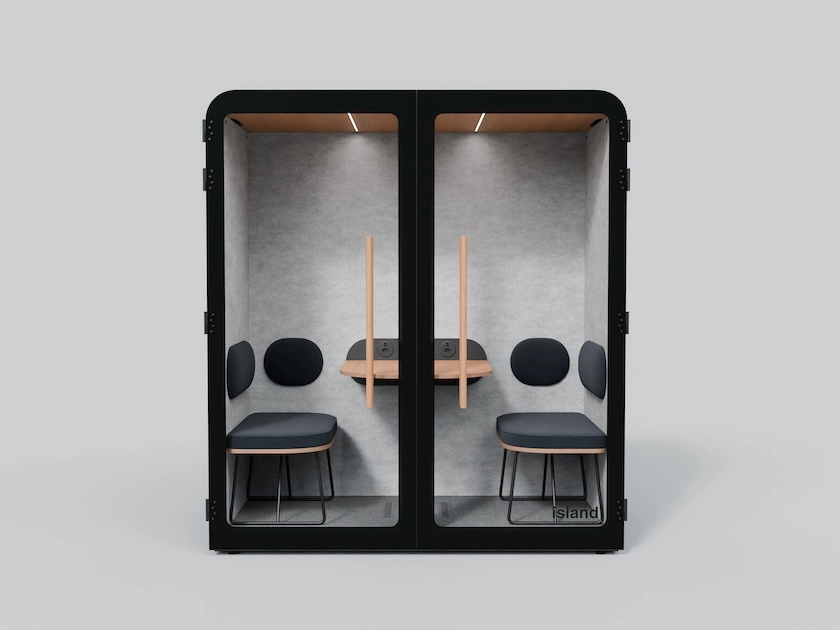
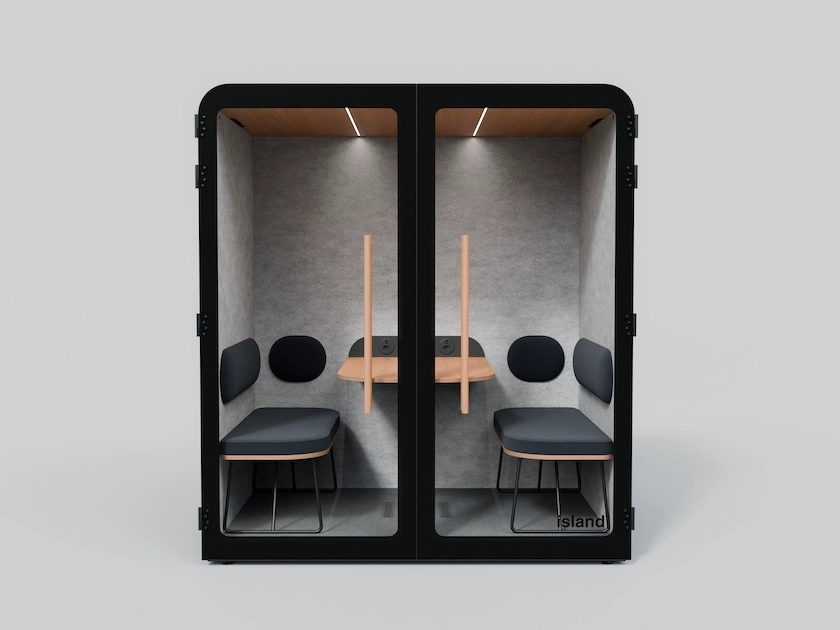
And if you’re looking for a quiet, focused workspace, discover Work With Island acoustic pods, the perfect solution for professionals who want to stay productive and focused, even in an open-plan environment.

How to Overcome the Challenges of Open Offices
Whether in coworking spaces or corporate open-plan offices, there are many ways to reduce the downsides and make shared spaces more comfortable and efficient.
1. Design a Functional Workspace
A well-thought-out layout is essential. Each employee should have enough personal space, storage (like rolling drawer units), and ergonomic furniture such as adjustable chairs or sit-stand desks.
Adding movable visual and acoustic partitions helps reduce noise and define personal areas.
Don’t forget about circulation paths. Optimizing density doesn’t mean packing desks together. The goal is balance: enough proximity for collaboration, enough space for comfort.
2. Create a Pleasant Atmosphere
Harsh lighting, white walls, and plain furniture can make an open space feel sterile and uninspiring. Add personality with color, greenery, wood or metal furniture, and decor that reflects your company’s identity. A well-designed space improves both mood and motivation.

3. Provide Quiet, Private Areas
Noise is the main drawback of open-plan offices. To maintain a sense of openness while allowing for privacy, include spaces where employees can isolate themselves for calls, meetings, or focus work.
In addition to shared desks and large tables, consider:
- Meeting rooms
- Acoustic furniture, such as pods with tables and seating — perfect for quiet focus or small-group collaboration
- Breakout zones with comfortable chairs, soft lighting, and, ideally, access to outdoor areas
Complement these spaces with thoughtful accessories: noise-canceling headphones, cable organizers, or other tools to reduce clutter and distraction.
When possible, combining open-office work with remote work offers the best of both worlds: collaboration and quiet focus.
4. Establish Clear Rules
Shared spaces work best when clear rules are in place. A simple charter can help set expectations. For example:
- Signs reminding employees to stay quiet in certain areas
- Meeting room reservations for groups above a set number
- Guidelines for keeping desks clean and organized
These rules create harmony between individual freedom and mutual respect: the foundation of a well-functioning open office.

.png)







.webp)