.svg)
.svg)
.svg)
.svg)





The virtual office: An effective tool to meet the challenges of remote work?

With the rise of remote work, virtual offices have emerged as a key solution for transforming the remote work experience.
In 2017, only 3% of employees in France worked from home at least one day a week: a number that soared to 24% by June 2023, according to INSEE.
This shift has pushed companies to rapidly adopt innovative digital tools to maintain productivity. Yet challenges remain: keeping employees engaged and preventing isolation. The gamification of workspaces and the rise of immersive digital offices are offering promising answers to these new realities.

The digitalization of work: a new paradigm
The rise of virtual offices reflects a gradual transformation of the way we work - a shift that began in the early 2000s. At that time, the term referred to a model centered around telephones, emails, and the Internet. Today, with modern virtual offices, work has become mobile and accessible from anywhere.
To meet the growing need for quick access to information, companies introduced intranets in the 2000s, which later evolved into digital workplaces integrating modern collaboration tools. These platforms keep remote teams connected through features such as instant messaging, project dashboards, and HR applications.
Gamification and the consumerization of work tools
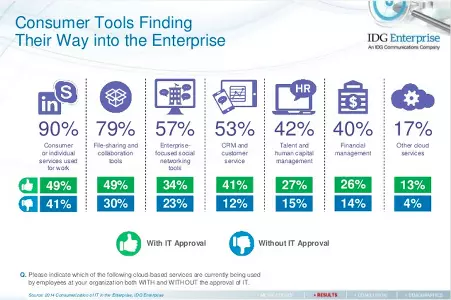
The digitalization of work has gone hand in hand with the consumerization of professional tools. In 2005, Gartner predicted that this trend would profoundly reshape IT for decades — and they were right. Technologies originally designed for consumers, such as smartphones, have since become essential in professional settings.
This transition paved the way for gamification, the integration of game-like elements into work environments.
According to a study by the Achievers Workforce Institute, 46% of employees have felt less connected to their company since the pandemic. Gamification and interactive virtual offices could help close this gap by creating engaging, social digital environments that bring back a sense of belonging and collaboration.
Platforms such as Centrical, adopted by companies such as Microsoft, demonstrate the effectiveness of these tools, with a 10% increase in productivity and a 12% decrease in absenteeism.
Virtual offices: A new work experience
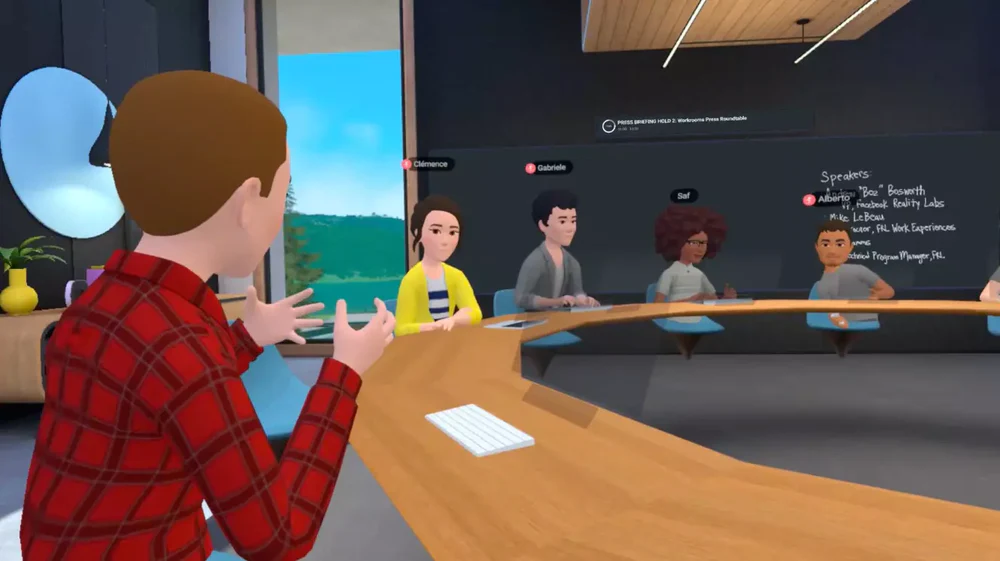
Virtual offices are transforming how remote teams collaborate and socialize - drawing inspiration from popular video games like The Sims or Pokémon. These digital environments recreate the informal interactions of a physical office while introducing playful, immersive elements. They offer a friendlier alternative to traditional remote tools such as Zoom or Slack.
On platforms like Gather, for example, users navigate 2D office spaces using avatars. They can move between different areas - joining a meeting room for a video call or a virtual café for informal chats.
These tools address an urgent need for new ways of working and collaborating that fit the rise of remote and hybrid work. They help restore the human side of interaction often lost in traditional digital environments, making remote work more engaging and connected.
{{MULTI_IMAGE}}
Virtual offices and the proximity bias
Despite their innovation, virtual offices also present challenges - some similar to, or even more pronounced than, those of open-plan offices. Among the risks: reduced productivity due to overuse or distraction, increased stress from excessive communication, and blurred boundaries between work and personal life.
Another key issue is the proximity bias - the unconscious tendency to favor colleagues who are physically present over remote workers.
This bias, often amplified in hybrid work settings, can lead to unequal recognition for remote employees, lowering their confidence and productivity. As Dr. Sara Beth Kiesler, professor at Carnegie Mellon University, explains:
"Informal (physical) encounters increase the ease and enjoyment of communication and allow for unplanned, flexible interactions. Work in progress moves more smoothly when people communicate often and spontaneously."
Rethinking management in a remote world
Virtual offices represent an exciting evolution in how we collaborate and connect remotely — but they also bring long-term questions about team engagement and equity.
In his landmark 2015 study, Does Working from Home Work? Evidence from a Chinese Experiment , Dr. Nicholas A. Bloom analyzed a Chinese travel agency and found that while remote employees were more productive, they were less likely to receive promotions than their on-site peers. This imbalance can lead to frustration, decreased trust, and lower motivation — especially for employees already at risk of discrimination.
To counter these effects, forward-thinking companies are implementing new standards:
- Zillow and Salesforce require all meeting participants to join individually via video when some team members are remote.
- Slack limits in-office presence for managers to avoid favoritism.
- Quora operates fully remotely to eliminate hybrid bias altogether.
Despite their promise, virtual offices raise important questions about their ability to sustain engagement and fairness over time. As Dr. Bloom highlights, remote employees risk having their contributions underrecognized - reinforcing existing structural biases if left unaddressed.

.webp)

.webp)

.webp)
.webp)




.png)

.webp)
.webp)












.png)



.webp)