.svg)
.svg)
.svg)
.svg)





How to design a collaborative workspace?
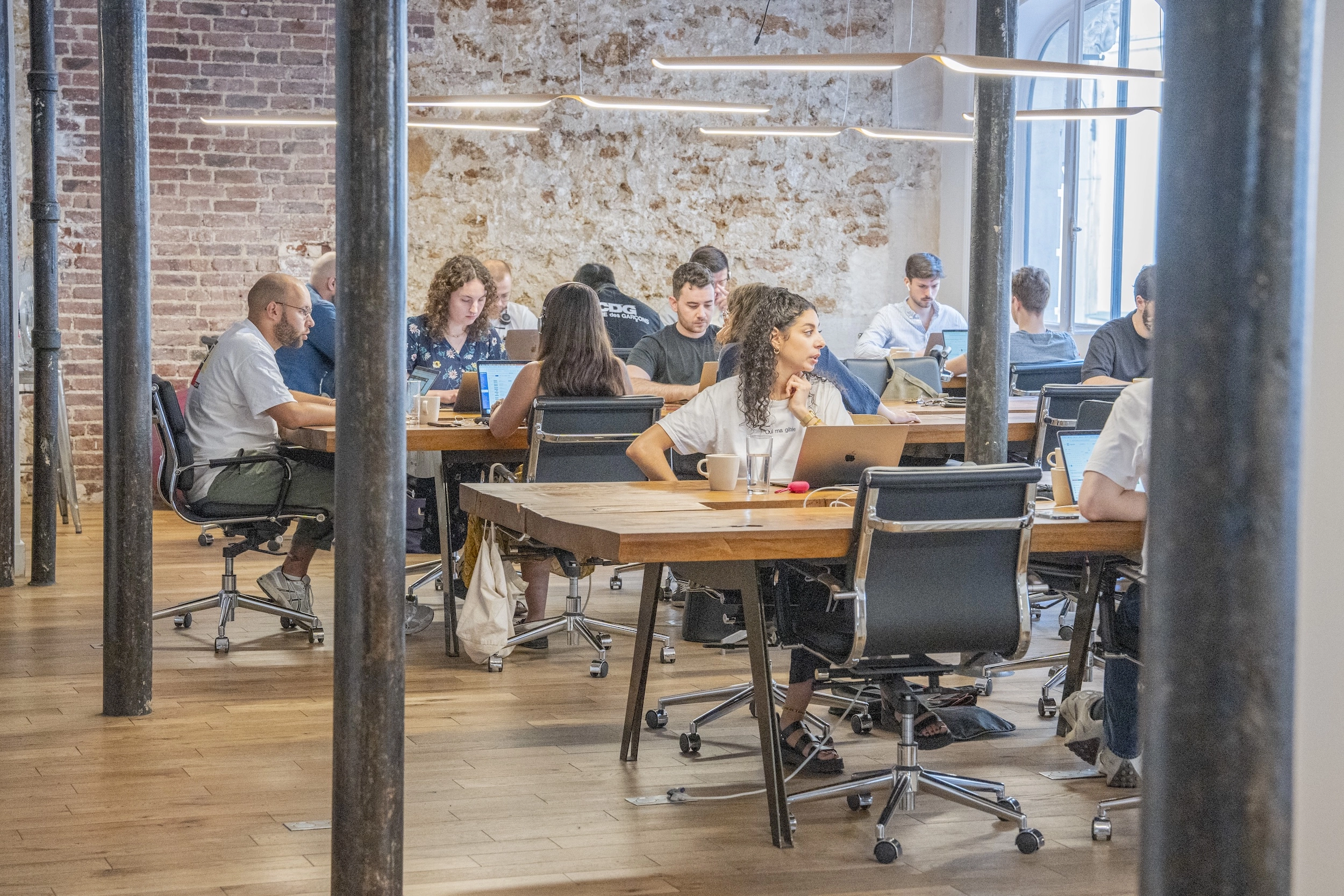
Coworking has generated as much interest as remote work — despite the rapid rise of the latter. While online tools make interaction easier, collaboration in physical spaces isn’t always as seamless. Poorly designed furniture layouts and office configurations can hinder teamwork, communication, and productivity. In a world where professional practices evolve as quickly as team management methods, designing a collaborative workspace has become one of the most effective ways to support modern work dynamics. However, this type of project involves multiple steps — starting with assessing the needs of your company and your employees. Each organization is unique: available resources, space constraints, and equipment requirements differ from one business to another. In this article, you’ll discover the key ingredients for successfully designing a collaborative workspace that fosters connection, creativity, and performance.
Assessing your company’s needs first
According to a 2021 study by Ubiq, France counted 2,787 coworking spaces, including third places, open offices, cafés, and shared offices. It’s no surprise if you’re considering joining this trend by transforming your premises into one of these collaborative spaces.
However, this kind of project requires careful consideration — not only because it demands a significant budget, but also because the outcome might not meet expectations without a thorough needs analysis upfront.
Before starting any building work, it can be worth comparing with a turnkey alternative: a private office in a coworking space, furnished and fully equipped, with a flexible commitment that adapts as your headcount changes. Some platforms help companies with this search free of charge.
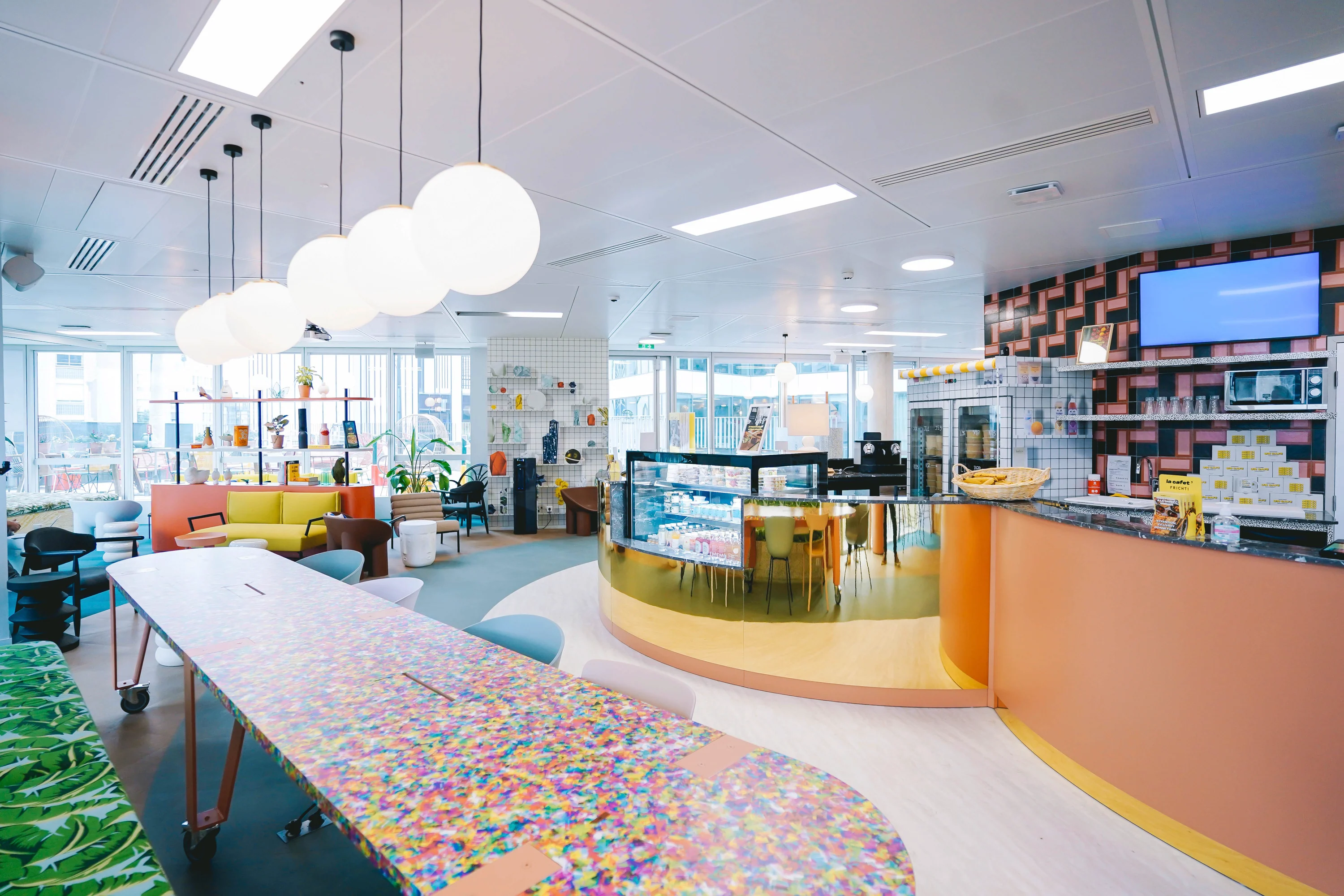
By definition, a collaborative workspace is designed to strengthen team cohesion, bringing colleagues together to work side by side toward a shared goal. That’s why defining your company’s missions, goals, and expected outcomes from such a transformation is the crucial first step.
Ask yourself the right questions:
- Is your main goal to boost productivity and overall company performance?
- Or do you want to facilitate communication and knowledge-sharing between employees?
- Are you aiming to create a more positive atmosphere that strengthens both team bonds and company culture?
- Does your company need private areas for confidential meetings?
These questions help align the project with employee well-being, organizational performance, and brand image. Often overlooked in favor of collaboration, individual privacy must also be a top priority when designing open spaces. Even in a collaborative setting, employees still seek quiet, comfortable, and confidential corners where they can focus freely. The key is to balance company needs with employee expectations.
The key steps to creating a collaborative workspace
Once your company’s intentions are clear, it’s time to move on to the implementation phase, starting with a careful study of the available space.
Each area should be optimized for a specific purpose. At this stage, your earlier groundwork pays off — as you begin to envision an environment that’s both practical and efficient.
Shared tools and common zones should be located near the teams that use them most, with simple access and tailored layouts for each function.
Spaces for informal interaction, which greatly enhance workplace atmosphere, can take multiple forms to blend relaxation and collaboration.
From there, new elements find their place. Unused areas can be reimagined, and outdated structures removed. You’ll likely collaborate with various providers during this transformation — furniture suppliers (tables, chairs, storage, desks) and architects or interior designers, who play an essential role at this stage.
Modular furniture is often the ideal choice, allowing quick transitions between configurations depending on the situation.
Even better, involve the employees directly affected — they’re at the heart of this project. Gather their input on furniture, design, color palettes, and materials. Their ideas can help ensure the space truly reflects their needs.
The essentials of a successful coworking space
To create a well-designed collaborative workspace, you’ll need to bring together a few key elements:
Skilled teams
As mentioned earlier, calling on qualified professionals is essential. They’ll conduct on-site assessments, observe daily habits, and analyze how each area is used — taking into account staff numbers, roles, workflows, and current technological tools.
This approach helps identify pain points and opportunities for improvement, ultimately leading to better collaboration and engagement.
Suitable equipment
Motivation and comfort go hand in hand. Choose equipment that aligns with employees’ needs and interests. Since the office is where people spend most of their day, it should feel like a pleasant and inspiring place to be.
In addition to IT resources, desks, and storage furniture, consider relaxation and social spaces — like break rooms, coffee corners, green areas, or even game zones — equipped with:
- Armchairs
- Sofas
- Tables
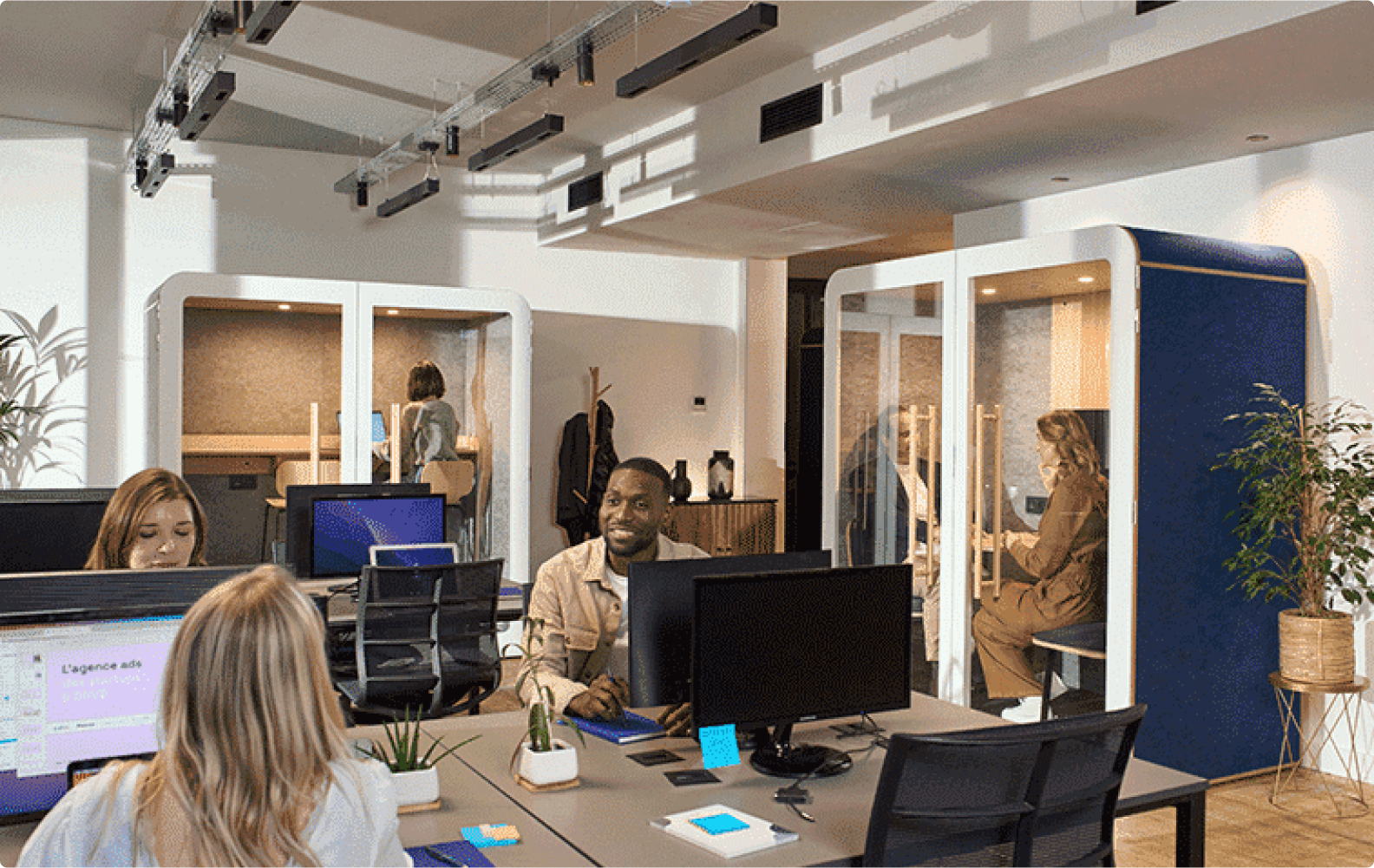
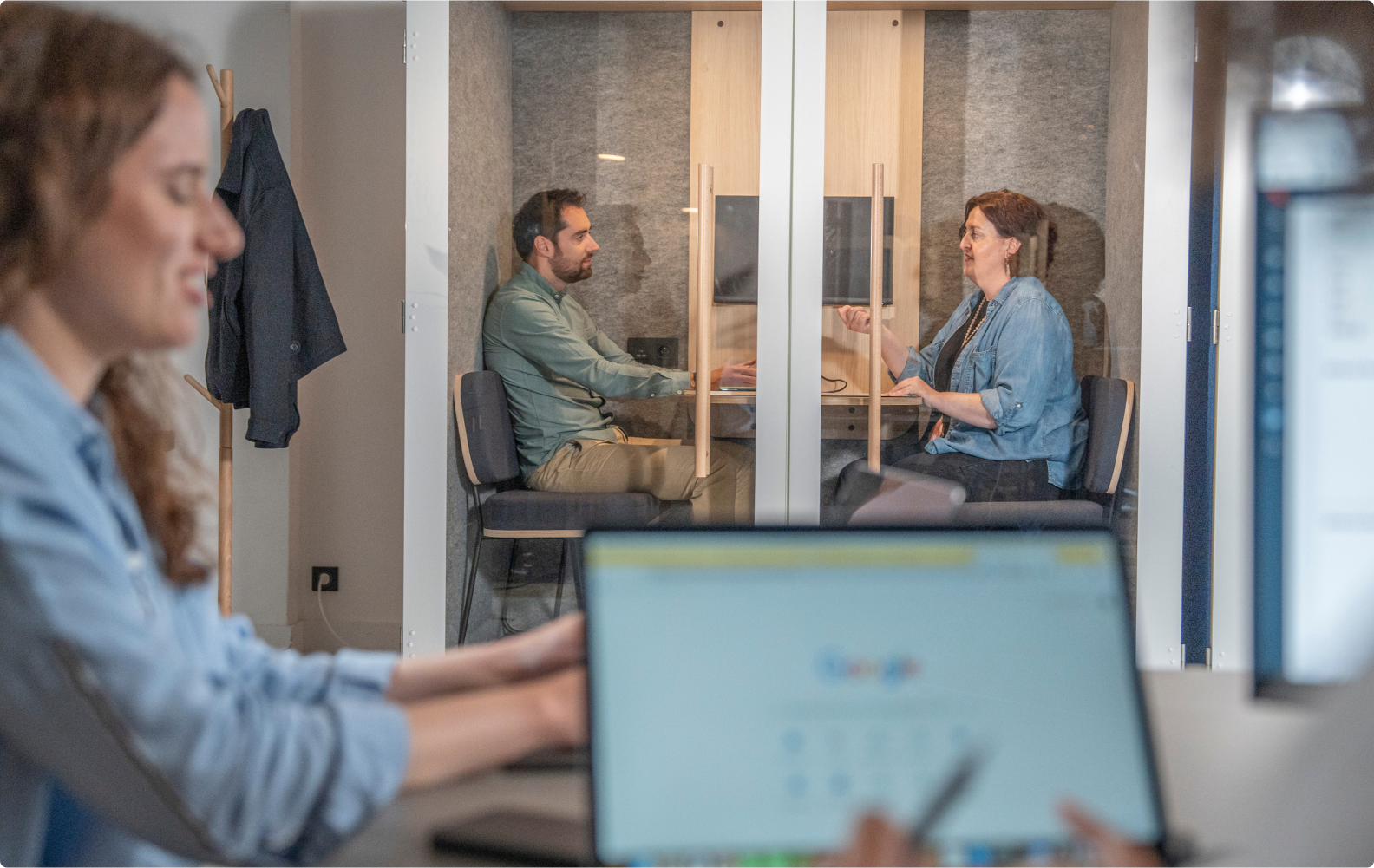
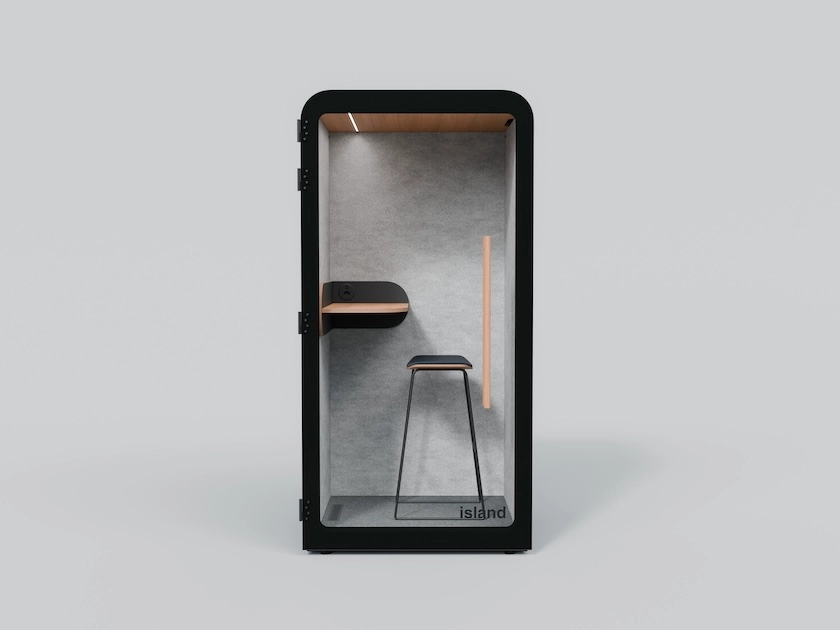
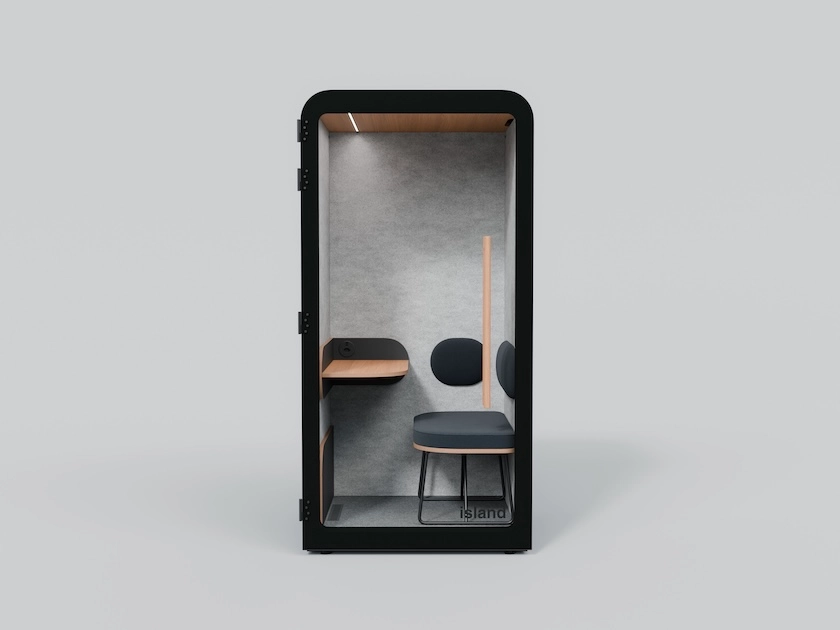
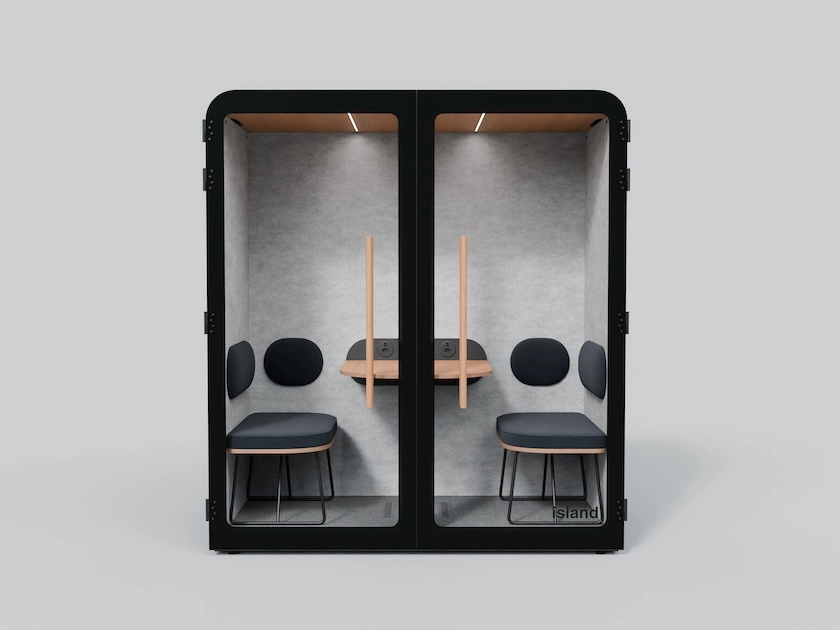
- Acoustic pods
- Screens
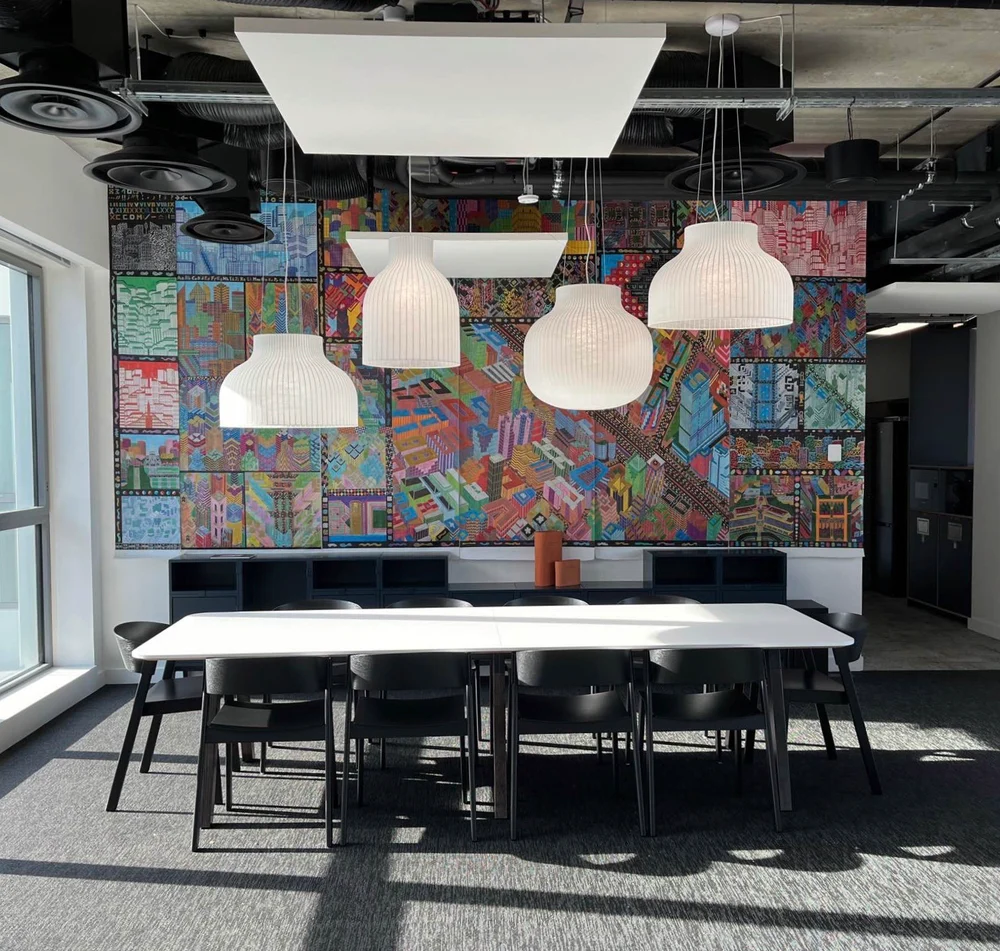
Whether for work or leisure areas, quiet is key to avoid one of the main drawbacks of open-plan offices. That’s why soundproofing systems are essential to reduce both internal and external noise.
Four design concepts for collaborative workspaces
Here are four layout ideas to inspire your next office redesign:
The flex office – For maximum flexibility
The flex office encourages collaboration through open areas and adaptable furniture that promotes interaction and movement. Since conversations are frequent in these environments, acoustic furniture is highly recommended to reduce noise and maintain comfort.
The acoustic pod – For privacy and Ffocus
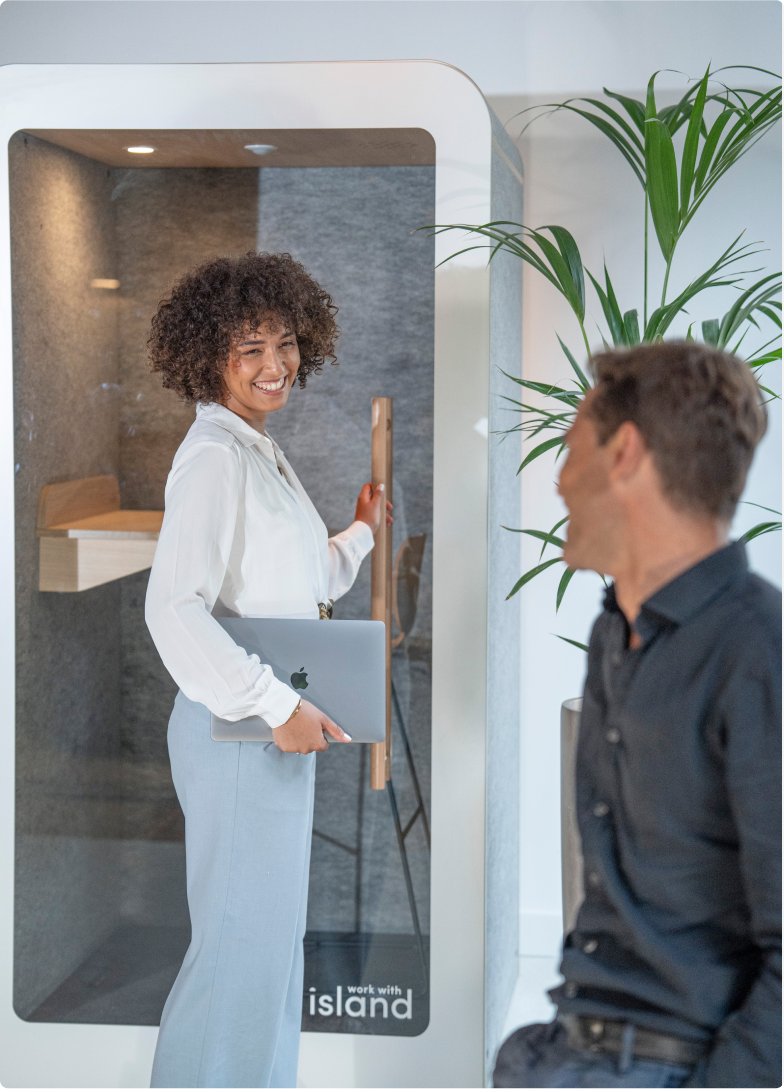
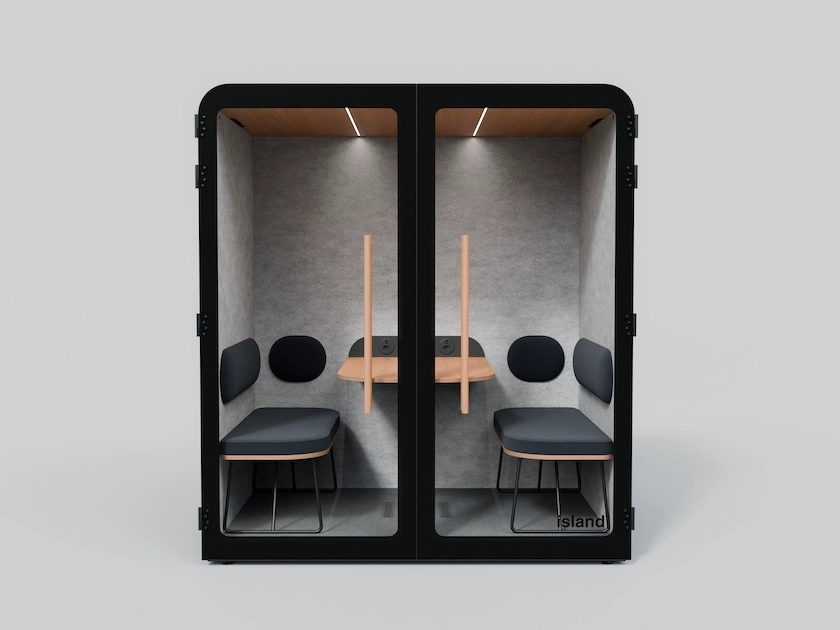
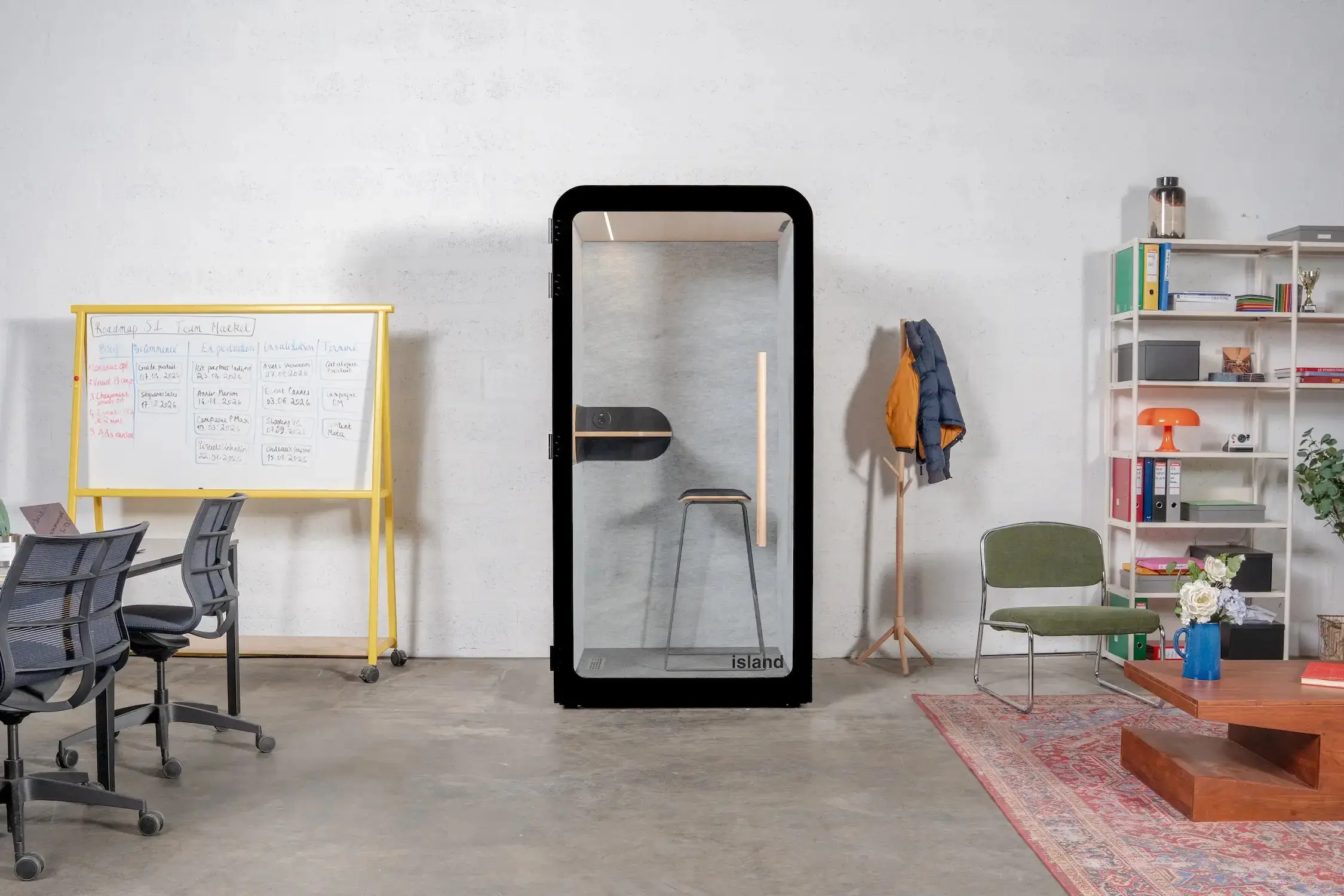
Highly popular for meetings, acoustic pods offer confidentiality and concentration while preserving the collaborative spirit. With flexible capacities, they provide quiet zones for focused work or small-group discussions — a compact alternative to larger coworking spaces.
The agora – A casual and creative Hub
The agora concept emphasizes flexibility with modular, adjustable furniture that creates an informal yet stylish atmosphere. It’s a versatile setup that sparks creativity and encourages idea-sharing.
The lounge – A space for relaxation and reflection
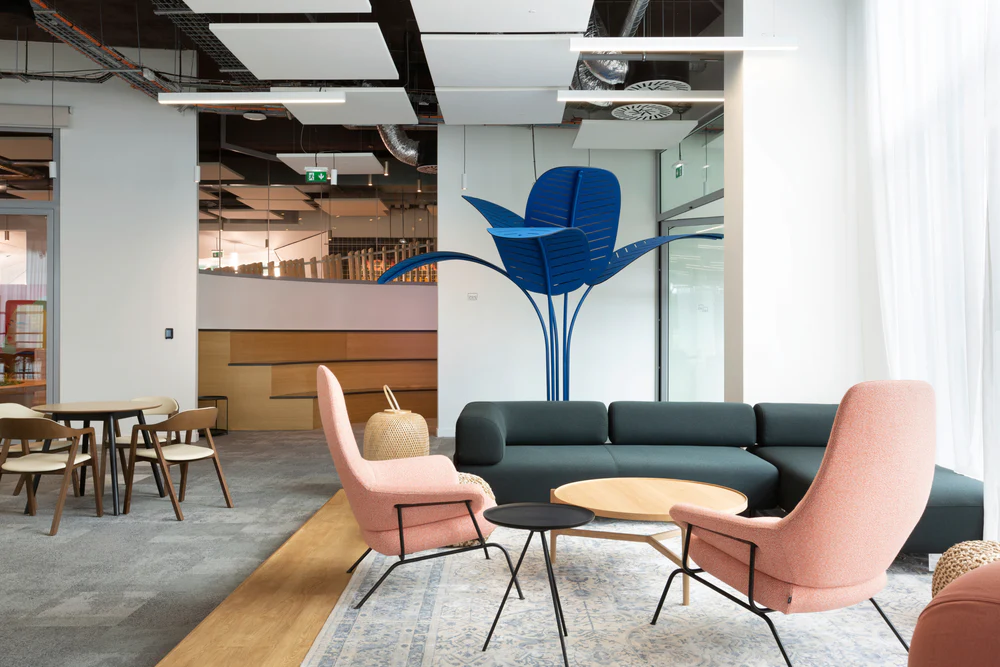
Inspired by cafés and bars, the lounge office features cozy décor and inviting furniture. It promotes informal discussions and relaxation without compromising on focus or creativity. Its casual feel helps break down barriers and encourages open communication within teams.

.png)
.webp)