.svg)
.svg)
.svg)
.svg)





Teamwork: How to turn collaboration into a true performance driver?

Teamwork requires skill, respect, and a great deal of tact. To put the collective goal ahead of individual interests, each member must strive to perform at their best within the team. Teamwork not only drives the company’s growth but also fosters the personal and professional development of every team member.
What we mean by teamwork
A team is a group of individuals with different personalities and skills. Whether it’s high-performing, motivated, or dynamic, a successful team must share a common set of values to achieve its goals.
When we talk about teamwork, we refer to a collaborative effort where several people work together toward a shared objective.
Choose your manager wisely and organize your team harmoniously. Working as a team also means knowing how to communicate and trust one another: the foundation of well-being at work.
Steps to achieve better performance in the workplace
Step 1: Define clear goals
Teamwork requires a shared objective known and understood by every member. The goal should be clear, precise, and achievable.
Once it’s defined, the team can map out the necessary steps and resources - material, financial, and human - to reach it.
Having a well-defined goal also increases individual motivation.
Follow the SMART method when setting goals:
- Specific: The objective must be clear and relevant to the team’s work.
- Measurable: It should be quantifiable or qualifiable, with clear thresholds and performance indicators.
- Achievable: Ambitious enough to challenge the team but still realistic.
- Relevant: Grounded in the company’s broader goals to keep everyone aligned.
- Time-bound: Set deadlines and milestones to plan and track progress effectively.
Step 2: The role of the leader and team organization
The leader takes initiative and guides the team. Ideally chosen by the members themselves, a strong leader has moral strength, communicates effectively, and keeps the team motivated.
While leadership and management are distinct, a good manager can embody both. A skilled, respected manager defines objectives, assigns roles, and maintains structure — firm but not authoritarian. They lead by example, foster cohesion, and create a true team spirit.
A clear and well-defined organization ensures that every team member understands their responsibilities and scope of work. This clarity prevents misunderstandings and keeps the team focused on its shared goals.
Step 3: Communication is the key to performance
Effective communication is the cornerstone of teamwork. By understanding each person’s role and strengths, team members can collaborate more fluidly and help one another when needed.
Internal communication strengthens both cohesion and trust. Listening without judgment is essential — every idea counts. Teams thrive when everyone feels heard and when communication is transparent.
Each team member should share information openly so that everyone stays informed about progress. Collective decision-making, based on shared input, leads to smarter and more unified outcomes.
Good communication also directly improves quality of life at work.
Team building for stronger cohesion
Team building is designed to reinforce trust and unity within a group. It helps develop a shared mindset and team values.
Activities can range from fun challenges like escape games or The Mud Day to cooking workshops that place everyone on equal footing. These experiences strengthen relationships and foster collaboration in a relaxed atmosphere.

The Benefits of Teamwork
Task Optimization
Working as a team allows tasks to be divided according to each member’s strengths. This practical, efficient approach helps everyone stay focused on their specific mission. By leveraging individual expertise, the team ensures that every task is handled by the right person - boosting overall performance.
Exchange of Ideas
One of the biggest advantages of teamwork is the ability to share ideas and perspectives. Brainstorming sessions enable constructive discussions and creative problem-solving. Collaborative work stimulates innovation and helps the team overcome challenges collectively.
Skill Development
Teamwork is also a form of peer learning. Team members constantly exchange knowledge and improve together. Asking for help, sharing insights, and collaborating all contribute to personal and professional growth.
Strengthening Company Culture
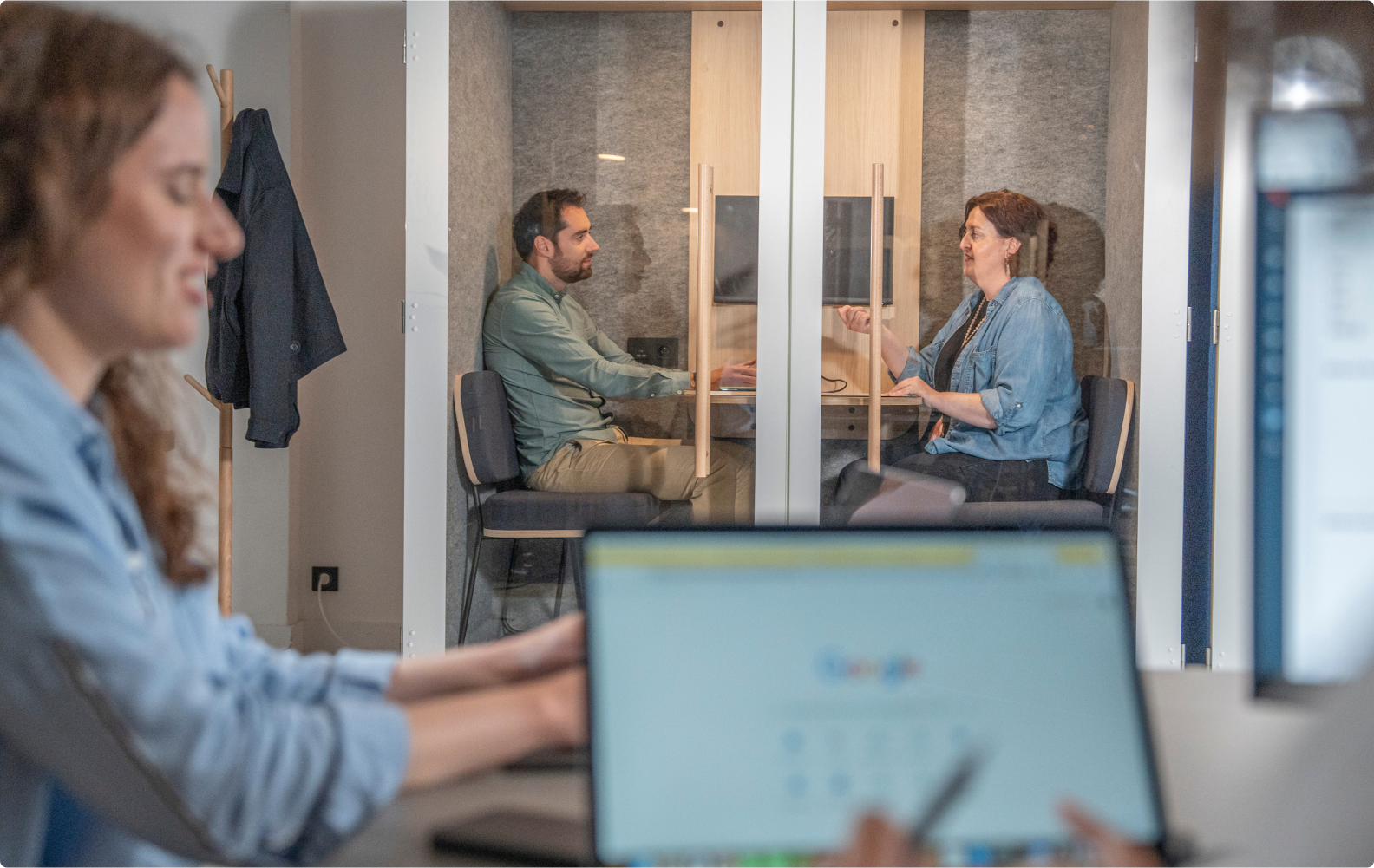
Strong leadership and management require both skill and empathy. The work environment should be supportive and inclusive. For confidential discussions or focused meetings, acoustic pods can provide the privacy teams need.
Team members should feel comfortable, valued, and empowered to give their best. Encourage a friendly, open atmosphere by creating opportunities to share experiences and values.
Improving Individual Efficiency
Teamwork drives productivity. When everyone collaborates efficiently, projects progress faster, and results are of higher quality. Centralizing team activities and clearly visualizing timelines, responsibilities, and goals fosters accountability and cohesion.
Increasing Employee Engagement
Working within a well-organized team is fulfilling. It boosts both personal satisfaction and professional engagement. Open communication and frequent idea-sharing give everyone a voice and help create a sense of belonging.
Employee well-being is key to long-term motivation - and teamwork is one of its strongest drivers.
Strengthening Decision-Making Skills
Decision-making requires experience, perspective, and confidence. By working in a team, members learn from one another and develop stronger analytical and leadership skills. Start by contributing ideas during meetings -every suggestion helps strengthen your ability to decide and take ownership.
Best practices for effective teamwork
Foster Team Cohesion
Team spirit is essential for smooth collaboration. Open discussions and shared experiences help colleagues get to know one another and build trust.
Organize company activities like after-work events or team breakfasts to encourage informal conversations. The better people get along, the stronger their connection — and the more enjoyable and productive teamwork becomes.
Give Regular Feedback
Feedback is vital for maintaining motivation and engagement. Recognize good work, celebrate collaboration, and address neglected tasks constructively. Continuous feedback builds trust, accountability, and shared improvement.
Build Trust Within the Team
Trust takes time to earn but can be lost quickly. A good manager knows how to delegate while remaining involved and supportive.
Encourage autonomy, group decision-making, and shared responsibility — but stay present and engaged. A trusted, attentive manager creates a confident and high-performing team.

.webp)

.webp)

.webp)
.webp)




.png)
.webp)
.webp)












.png)







.webp)