.svg)
.svg)
.svg)
.svg)





Learning to relax at work: our best tips
Work is an important part of life, but it can also be stressful and even unpleasant. When we are under stress, our productivity drops, we make more mistakes, and our physical and mental health can suffer. This is why it is crucial to find ways to relax at work. Here are some explanations and practical tips.
Work-related stress: a few key figures
Workplace stress is a major health issue in France. According to a 2021 study by the Ministry of Labour, 29% of employees report being exposed to high levels of stress at work. The 2020 Workplace Mental Health Barometer from the National Agency for the Improvement of Working Conditions (ANACT) also shows that stress is the main cause of discomfort at work in France.
In fact, 80% of respondents said they had faced a stressful situation in the past year, and 25% reported experiencing burnout at least once in their career. These figures highlight the importance of learning how to relax at work and the urgency for companies to take action to prevent and manage stress in the workplace.
Why is it important to relax at work?
Stress is a major health concern in the professional world. Employees who are unable to relax may suffer from various health issues such as high blood pressure, digestive problems, sleep disorders, anxiety, or depression.
Stress also harms productivity and performance. Stressed employees tend to be less motivated, less creative, and less focused. Over time, this can lead to fatigue or even burnout.
However, this is not inevitable. Taking time to relax during the workday can help reduce stress and improve productivity. When we learn to relax, we allow both our body and mind to rest and recharge, helping us return to work with renewed energy.
It is also worth noting that relaxation, whether practiced at home or in the workplace, can improve sleep quality, which in turn has a positive impact on both physical and mental health.
The main causes of work-related stress
The causes of stress at work vary from one sector to another, but some are common to many employees:
- Lack of recognition from management
- Work overload and insufficient staffing
- Unrealistic performance targets
- Lack of support from managers or colleagues
- Interpersonal conflicts
- Tight deadlines
Other factors, such as fear of job loss, financial insecurity, organisational changes, or difficulty balancing work and personal life, can also contribute to stress.
Employers should be aware of these stress factors and work to reduce them to create a healthy and productive work environment.
How to relax at the office
There are many simple ways to relax at work, even in just a few minutes. Here are some examples.
Take regular breaks
It is important to take regular breaks throughout the workday. These breaks can be short, but they should happen frequently, for example every hour or two. Employees who skip breaks are more likely to become tired, lose focus, and be less productive.
Get some exercise
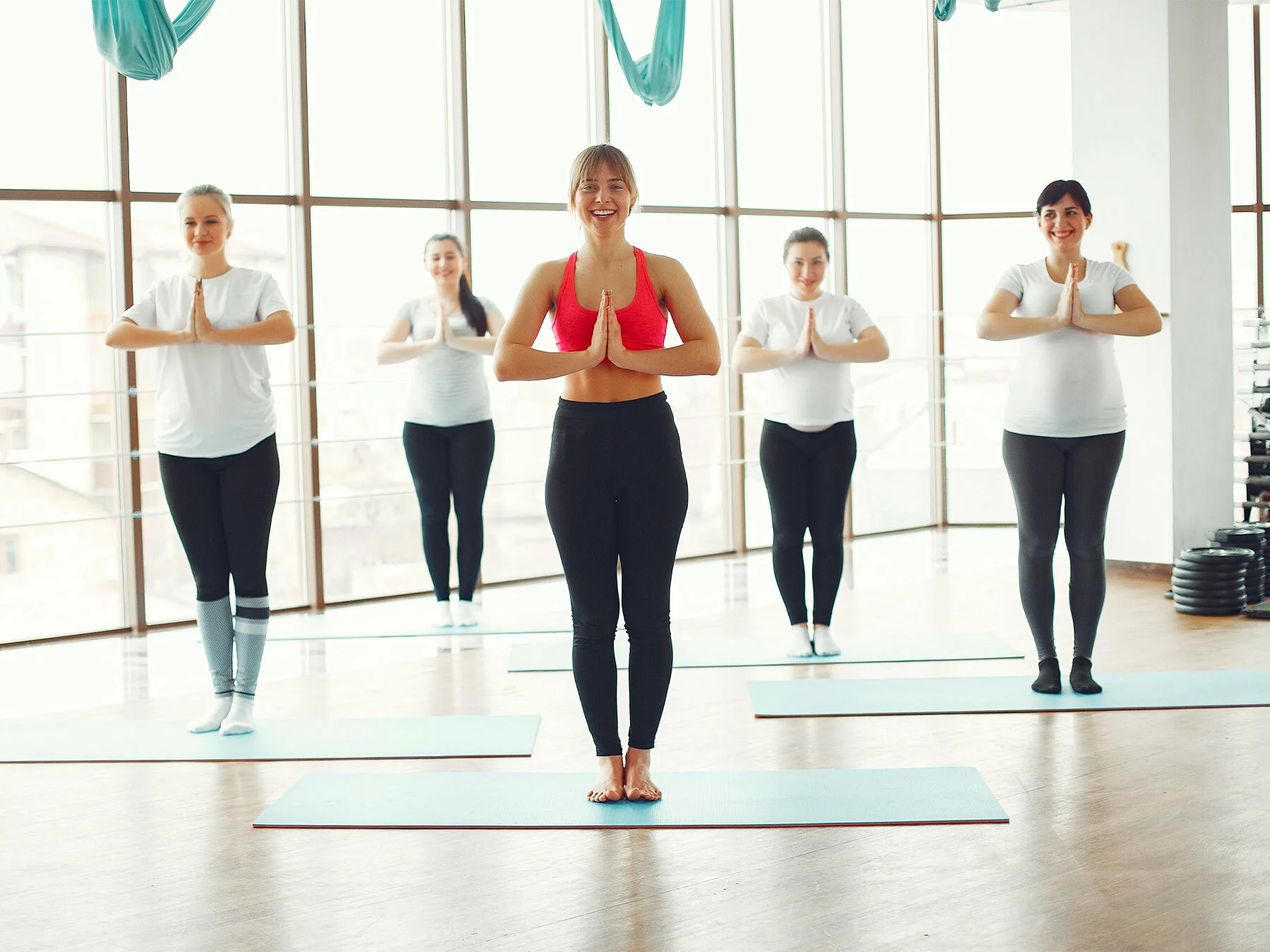
Exercise is an excellent way to relax at work. It reduces stress and improves physical health. It also boosts focus and productivity. There is no need to run a marathon during your lunch break: a few stretches or yoga poses can make a real difference.
Practice meditation
Meditation is a simple and effective relaxation technique. Taking a few minutes to breathe deeply and clear your mind can reduce tension and help you refocus.
In open-plan offices, it can be difficult to adjust your environment to your needs. Temperature, lighting, and air flow are often beyond your control. These factors can affect overall well-being and efficiency.
Find a quiet space to focus
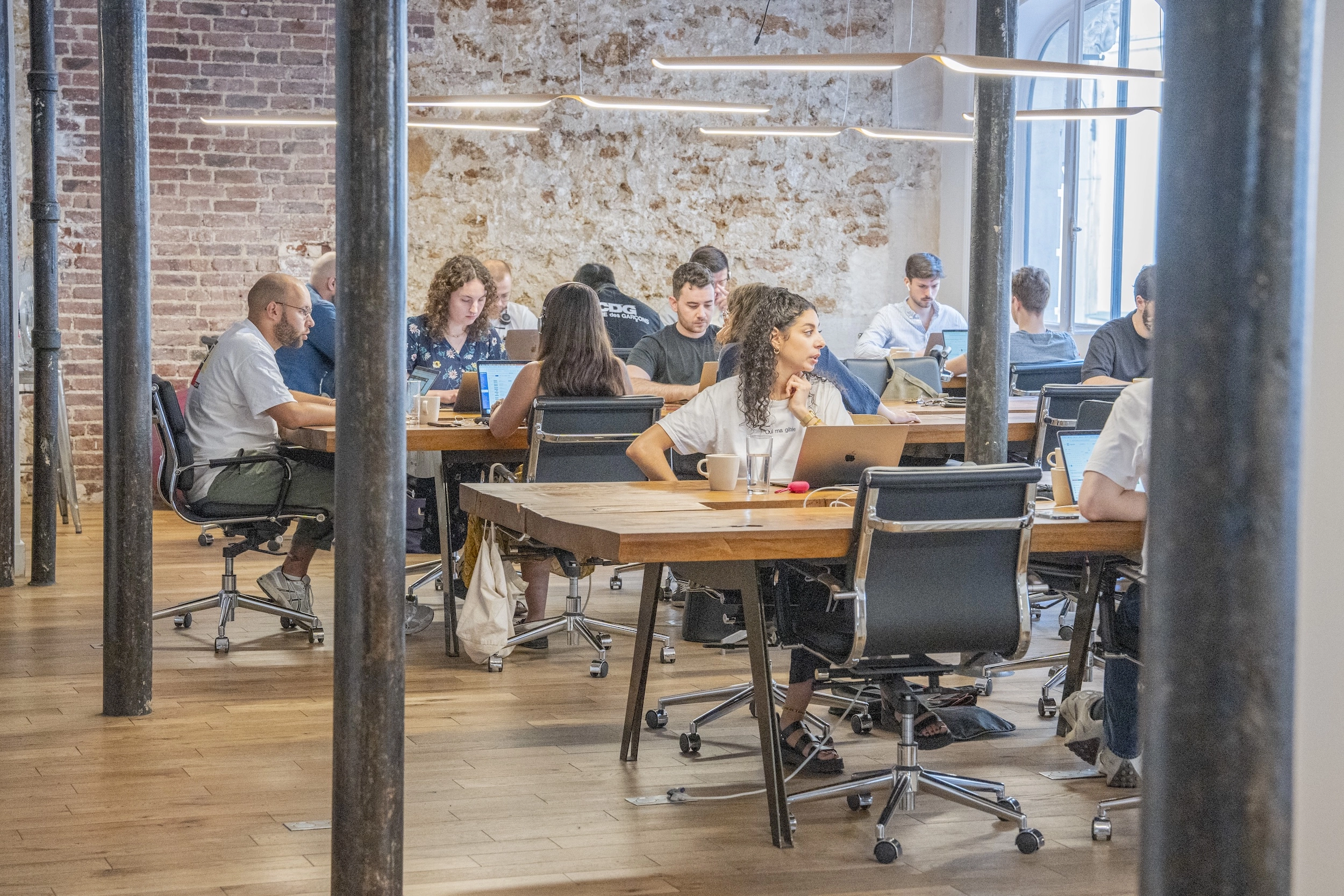
Many professionals now work in open-plan or shared offices. This setup has advantages, but it can also be stressful. Taking time to isolate yourself from noise and distractions can make a big difference.
The many benefits of relaxation at work
Learning to relax at work offers many benefits, including:
- Reduced stress and anxiety: relaxation helps lower stress levels and creates a calmer state of mind. This improves both mental and physical health and leads to greater happiness and productivity.
- Better productivity: when we take time to relax, we have more energy and motivation to complete our tasks.
- Improved sleep quality: relaxation promotes better sleep, which helps us stay focused and productive.
- More creativity: when we are relaxed, our minds are open to new ideas and new ways of solving problems.
A key factor for a healthy company
The link between relaxation and productivity is strong. When employees are relaxed, they are more focused, patient, motivated, and efficient. Stress, on the other hand, can reduce all these qualities and harm productivity.
Relaxation, physical activity, and a well-designed workspace can boost performance and motivation. Managers and employers should take this seriously and ensure their teams are relaxed and fulfilled.
Well-being at work and personal fulfilment
Well-being at work is closely linked to personal fulfilment. When employees feel good in their work environment, they are happier, more motivated, and more confident. They also tend to have higher self-esteem and greater confidence in their ability to succeed.
A positive work environment also reduces the risk of stress-related illnesses, burnout, and other health problems.
By promoting well-being and creating a healthy work environment, employers can make a real difference in the job market and build a stronger company image. This also strengthens team loyalty and reduces turnover.
How to create a workplace that encourages relaxation
While employees can take individual steps to relax at work, companies also play an important role. Here are a few ways to help:
- Design the workspace carefully: the layout of the workspace has a big impact on relaxation and well-being. Create a comfortable and pleasant environment that helps people feel good. Add shared areas like break rooms or green spaces to encourage rest.
- Encourage regular breaks: flexible schedules and reminders about taking short breaks can help employees relax and recharge.
- Offer relaxation activities: companies can organise yoga, meditation, or relaxation sessions to help employees unwind. These can take place on-site or off-site.
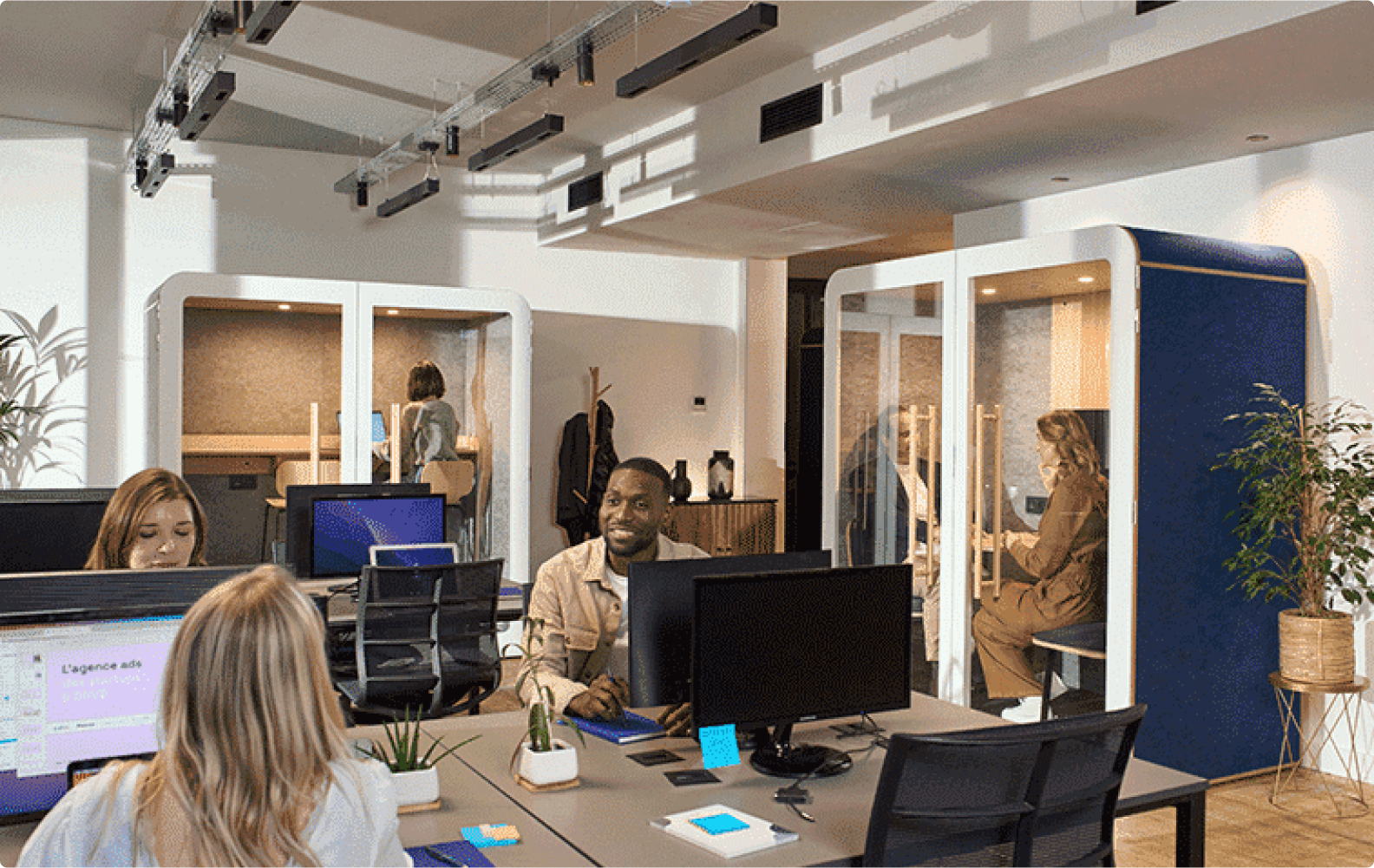
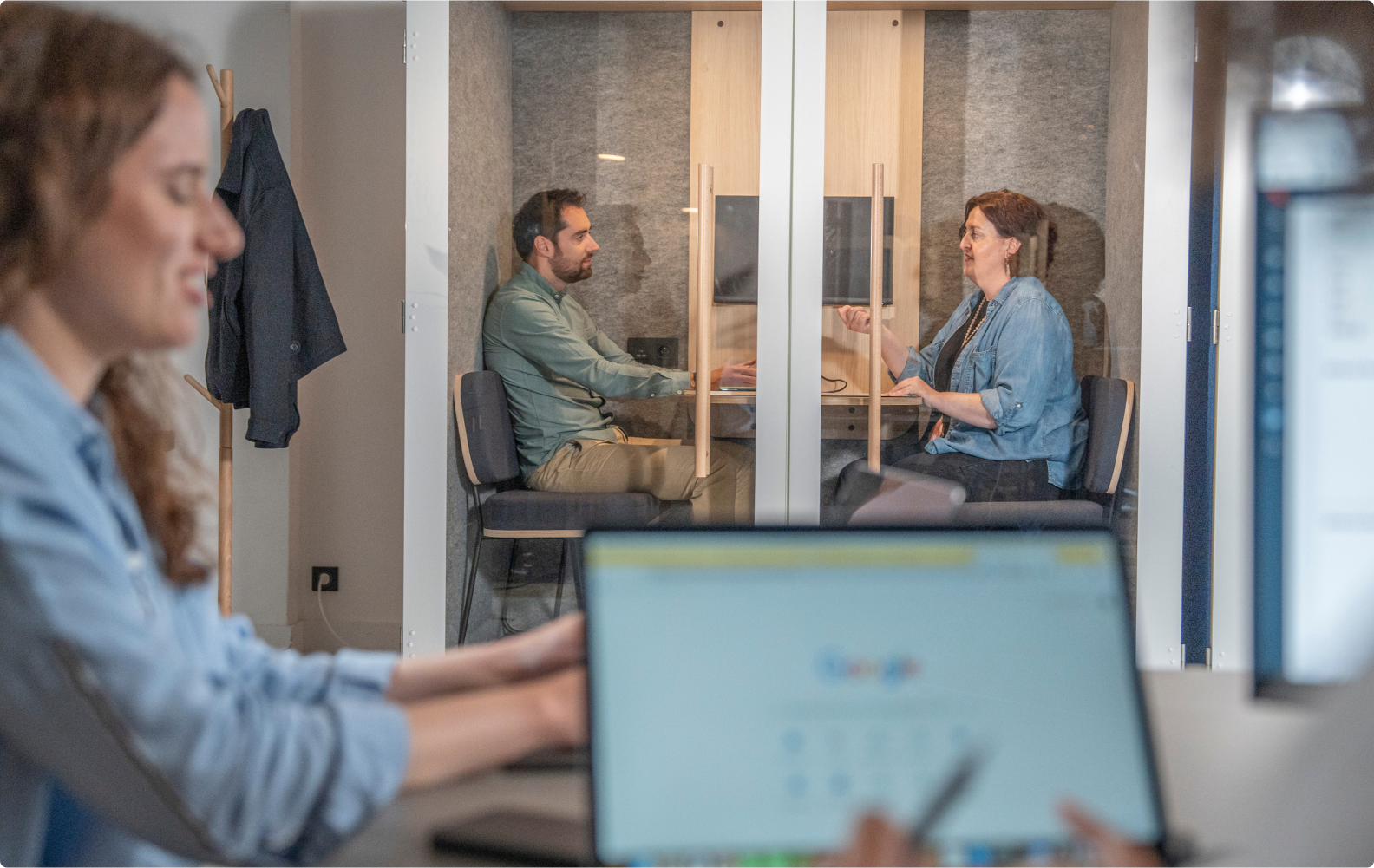
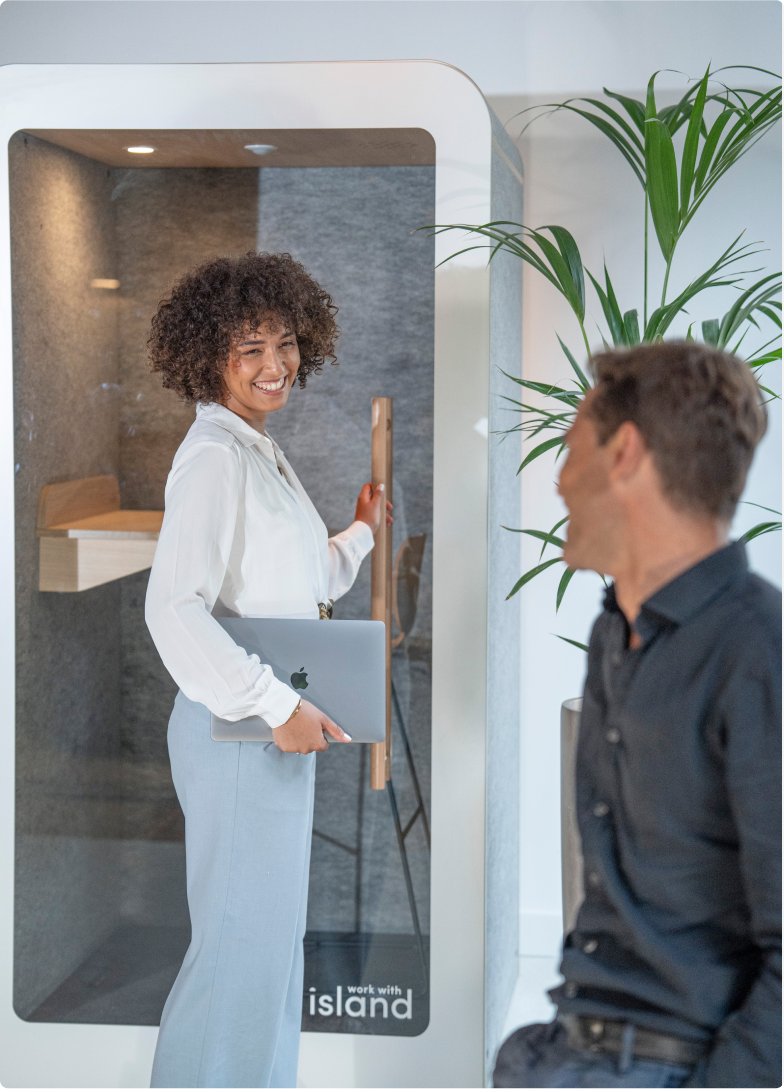
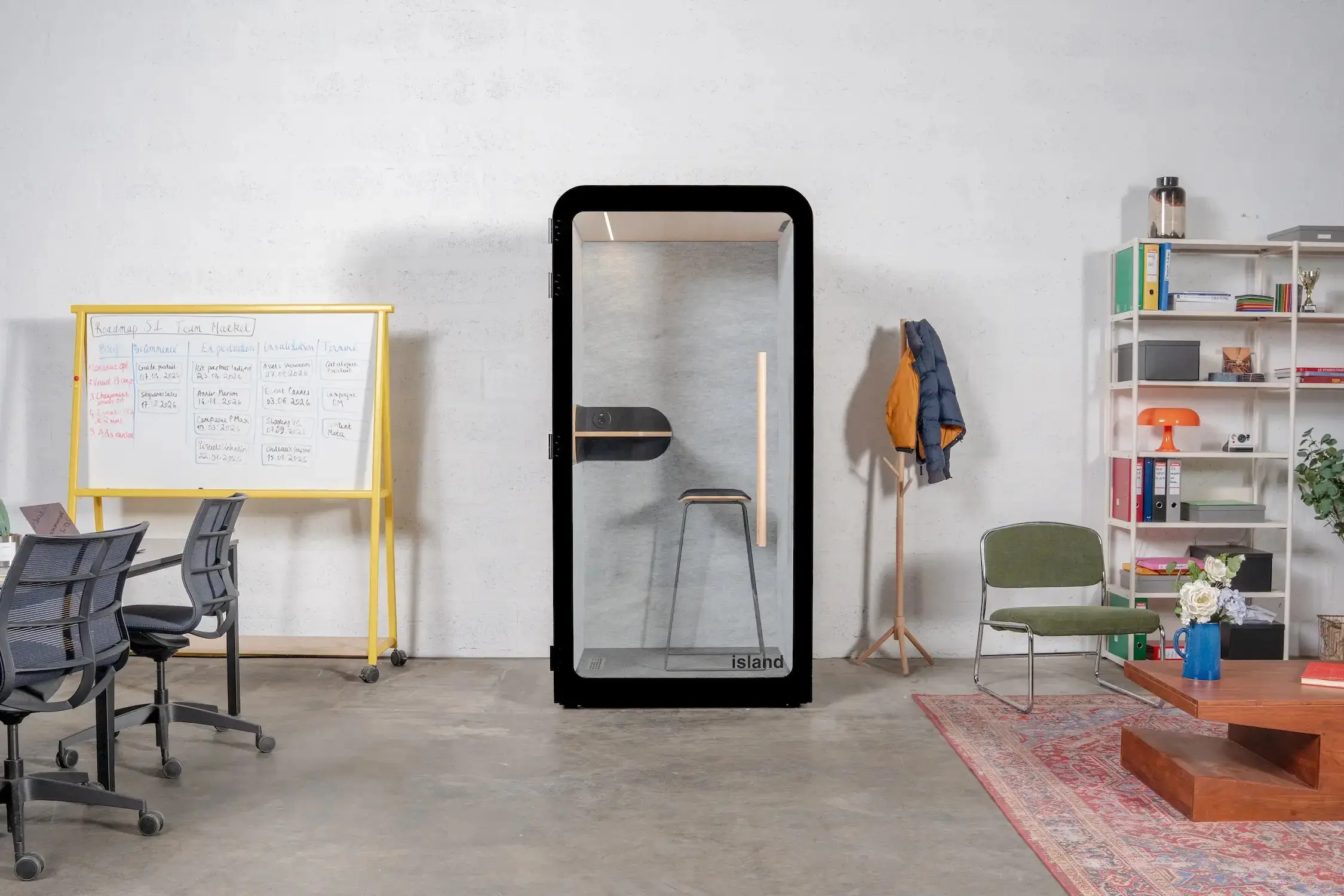
- Create quiet zones with acoustic booths: installing soundproof booths allows employees to relax, meditate, or focus in a calm, private space.
- Promote communication and support: open communication and mutual support help reduce stress. Managers can encourage dialogue through regular meetings and by inviting employees to share ideas and concerns.
By applying these measures, companies can support relaxation and well-being, improving both health and performance.
Soundproof pods: the ideal solution for relaxing at work
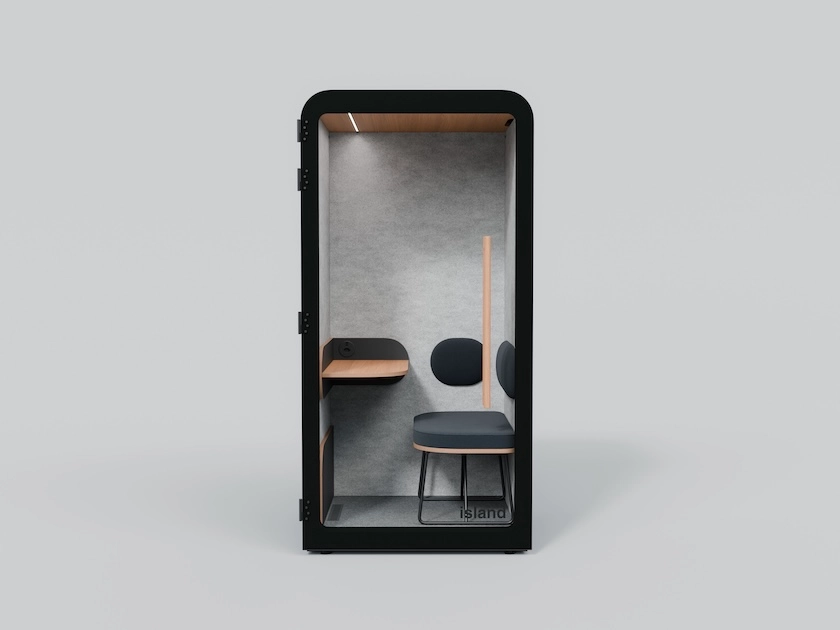
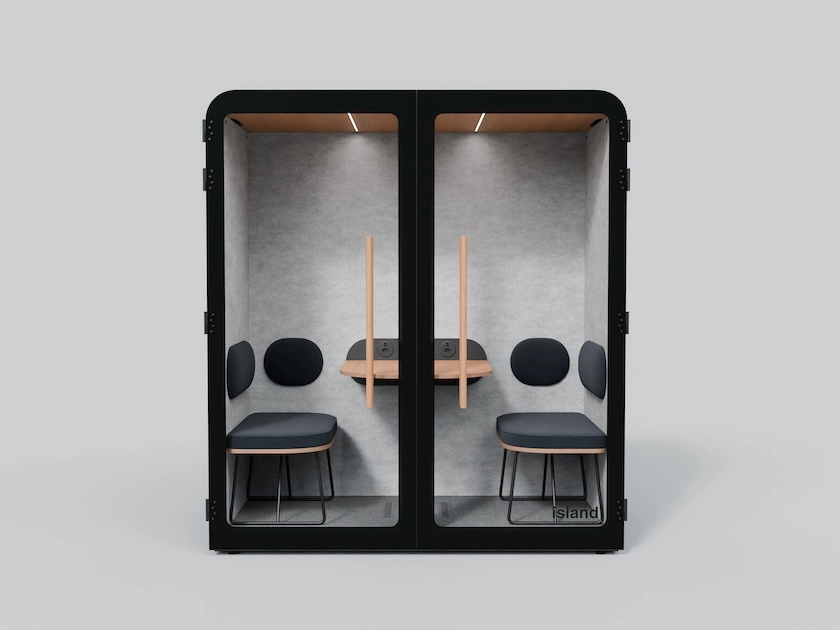
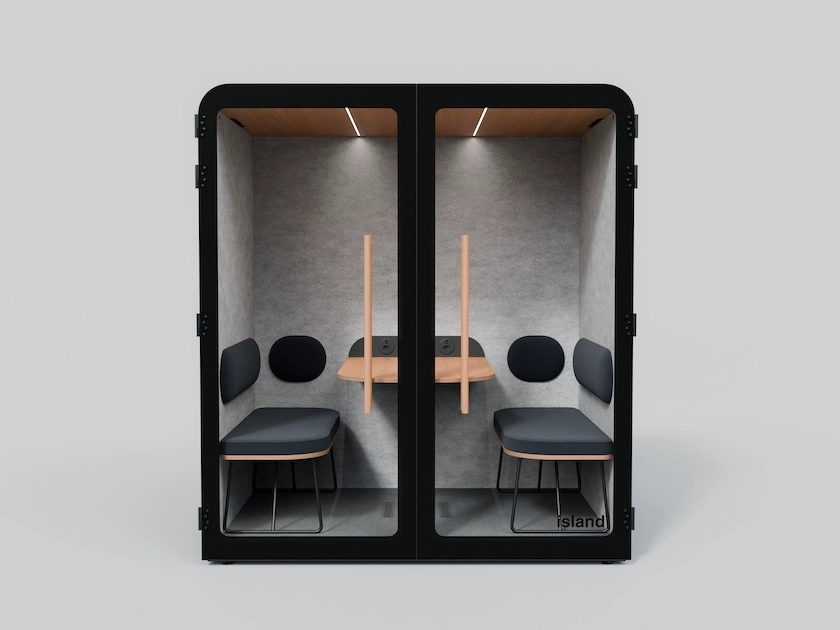
The soundproof pods we design at Work With Island offer a practical and effective way to relax at work. They provide a quiet, private space where employees can unwind, meditate, rest, or work without interruptions.
Our pods come equipped with everything needed for comfort: soft lighting, ergonomic seating, and power outlets for charging devices. They are also easy to install and move, making them perfect for flexible office environments.
By investing in soundproof pods, you help your employees relax and recharge, improving both their health and productivity. Offering quiet, private spaces also helps them focus and be more creative.
In conclusion, learning to relax at work is essential to improving both well-being and productivity. Soundproof pods are a simple and effective solution for creating calm spaces in the workplace.
At Work With Island, we offer a wide range of pods suitable for all work environments. Visit our website or contact us directly: we will be happy to help you with your project.
{{PRODUCTS_DEFAULT}}

.png)

.webp)